In the time it takes you to read this article, millions of dollars will change hands across the globe without a single physical cash register ringing. This is the world of e-commerce (electronic commerce)—the buying and selling of goods or services using the internet.
While it once simply meant "shopping online," e-commerce has evolved into a sophisticated ecosystem that powers everything from global supply chains to local side hustles.
How It Works: The Invisible Hand
E-commerce is more than just a website; it is a relay race of data and logistics. The process generally follows four key steps:
- The Digital Storefront: A seller lists products on a platform—be it a dedicated website (like Shopify), a massive marketplace (like Amazon), or even a social media feed (TikTok or Instagram).
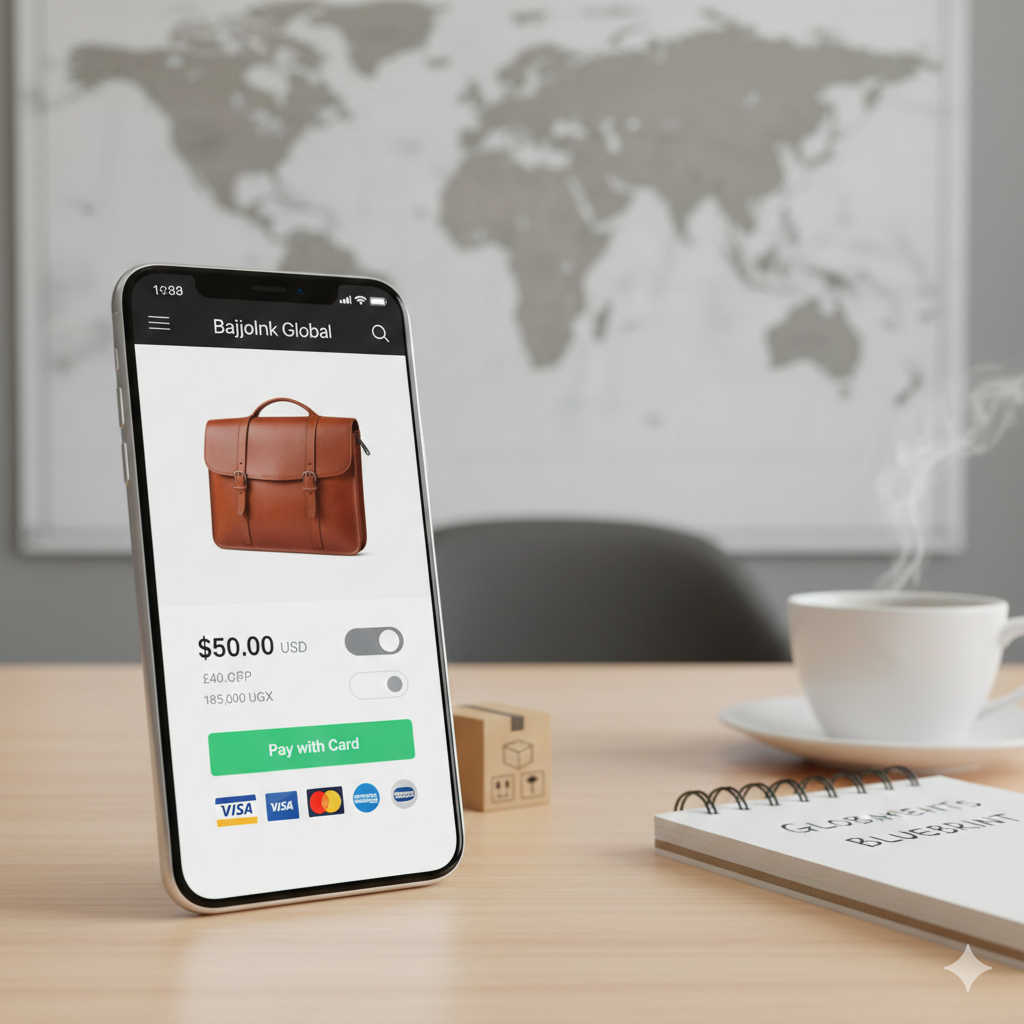
- The Transaction: A customer "adds to cart" and pays. This is handled by a payment gateway, which securely encrypts your credit card or digital wallet data to ensure the money reaches the seller safely.
- Order Processing: The "backend" system receives the order, checks inventory, and alerts the warehouse or fulfillment center.
- Logistics & Delivery: The product is picked, packed, and shipped. For digital goods (like software or e-books), this step is instantaneous via download.
The 4 Major Models
Not all e-commerce looks the same. Depending on who is selling to whom, it generally falls into one of these categories:
- B2C (Business to Consumer): The most common form. You buying a pair of sneakers from Nike’s website.
- B2B (Business to Business): Large-scale transactions, like a restaurant buying bulk flour from a wholesaler or a company paying for Slack subscriptions.
- C2C (Consumer to Consumer): Platforms like eBay, Etsy, or Facebook Marketplace where individuals sell to one another.
- C2B (Consumer to Business): An individual selling value to a company—for example, a freelance photographer selling a photo to a brand or an influencer promoting a product.
Why It’s Taking Over
By 2026, global e-commerce sales are projected to surpass $6 trillion. This explosive growth is driven by three main factors:
- Convenience: Shopping is now 24/7. There are no "closing hours" on the internet, and products from halfway across the world can arrive at your door in 48 hours.
- Personalization: Thanks to AI, online stores "know" what you like. Instead of wandering aisles, you’re presented with a curated feed tailored to your tastes.
- Lower Barriers to Entry: In the past, starting a business required a physical lease and high overhead. Today, someone can start a "Direct to Consumer" (DTC) brand from their living room with minimal upfront costs.
The Future: More Than Just "Buying"
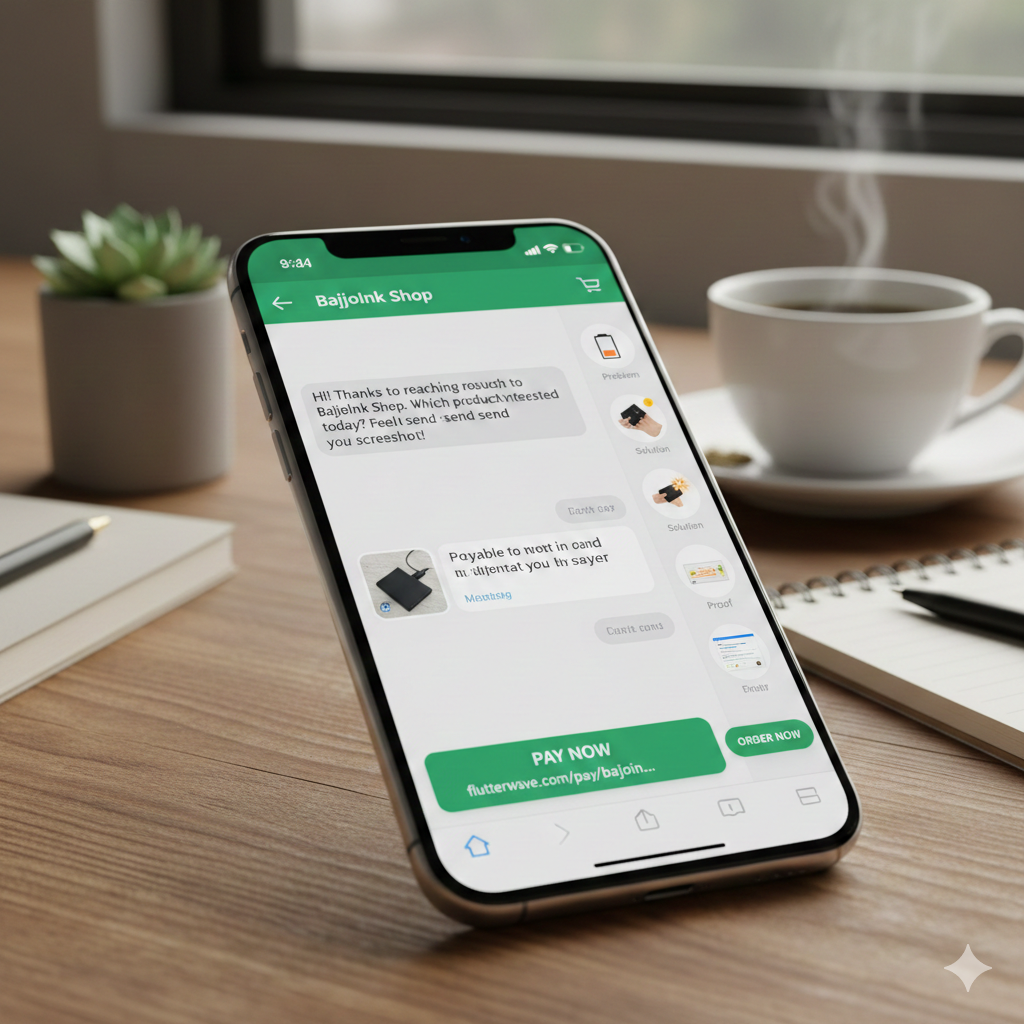
As we move through 2026, e-commerce is becoming even more immersive. Augmented Reality (AR) now allows you to "place" furniture in your living room via your phone camera before buying, and Conversational Commerce (AI chatbots) can handle complex customer service questions as naturally as a human clerk.
In short, e-commerce is no longer just an alternative to traditional retail—it is the backbone of the modern economy.
And if you would like me to brainstorm a business model for your own e-commerce idea - send me an email at info@bajjoink.org