In the Ugandan e-commerce landscape, your website is your showroom, but WhatsApp is your closing room. We’ve all been there: You run a TikTok ad or post a beautiful gallery on Instagram, and the "DMs" start rolling in. But for many digital entrepreneurs, the journey ends at "How much?" or "Where are you located?" followed by total silence.
If you want to build a "Digital Empire" as we discussed in our previous guides, you cannot afford to let leads go cold. Here is the 3-step blueprint to turning those casual "Hi" messages into confirmed mobile money alerts.
1. The "First 60 Seconds" Rule (Automation)
In e-commerce, speed is the ultimate currency. If a customer messages you at 9:00 PM and you reply the next morning, they’ve likely already bought from a competitor who was awake.
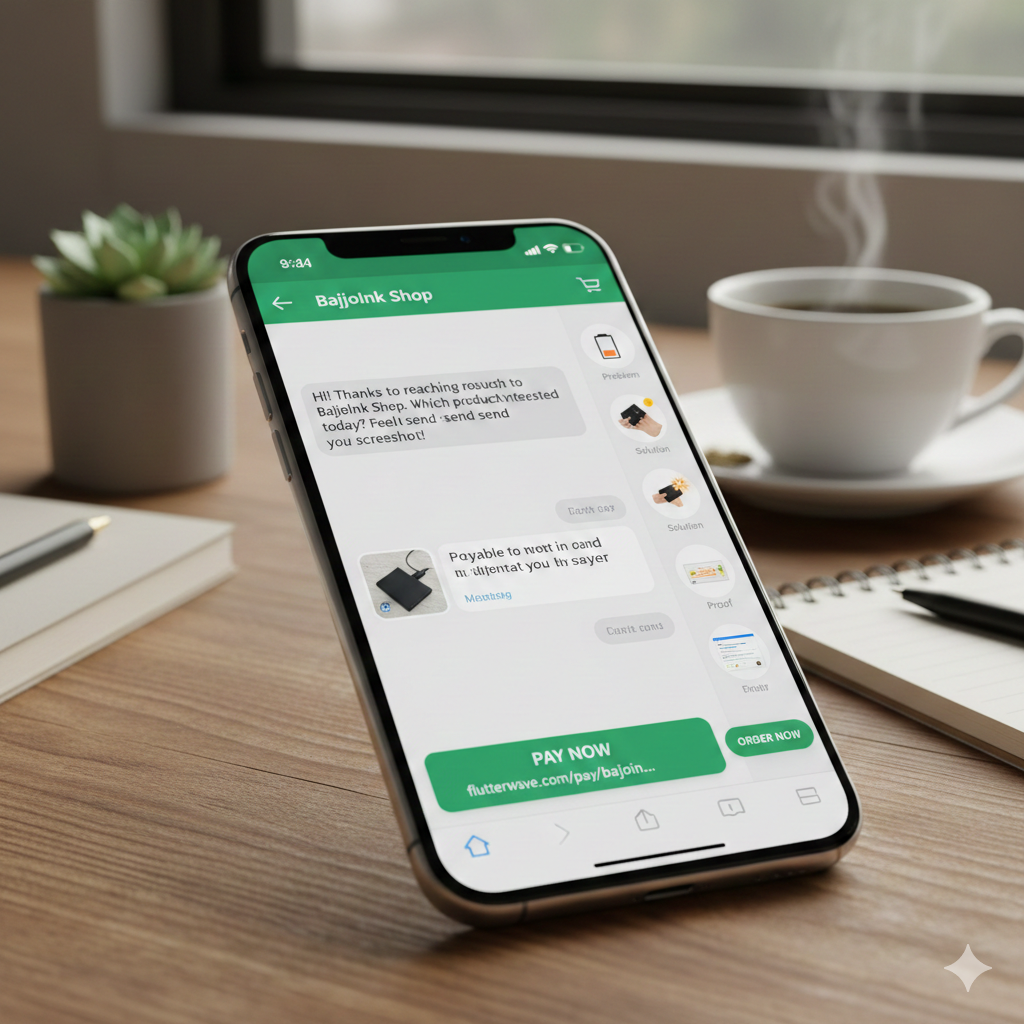
- The Fix: Use WhatsApp Business Automation. Set up a "Greeting Message" that doesn’t just say hello, but asks a qualifying question.
- Example: "Hi! Thanks for reaching out to BajjoInk Shop. Which product are you interested in today? Feel free to send a screenshot!"
- Why it works: It forces the customer to move from "browsing mode" to "buying mode" immediately.
2. Frictionless Payments (Stop Sending Digits)
One of the biggest "conversion killers" in Uganda is the back-and-forth of: “What is your MoMo number?” → “Is it in the name of John?” → “Okay, I’ve sent, let me send the screenshot.”
Every step is a chance for the customer to change their mind.
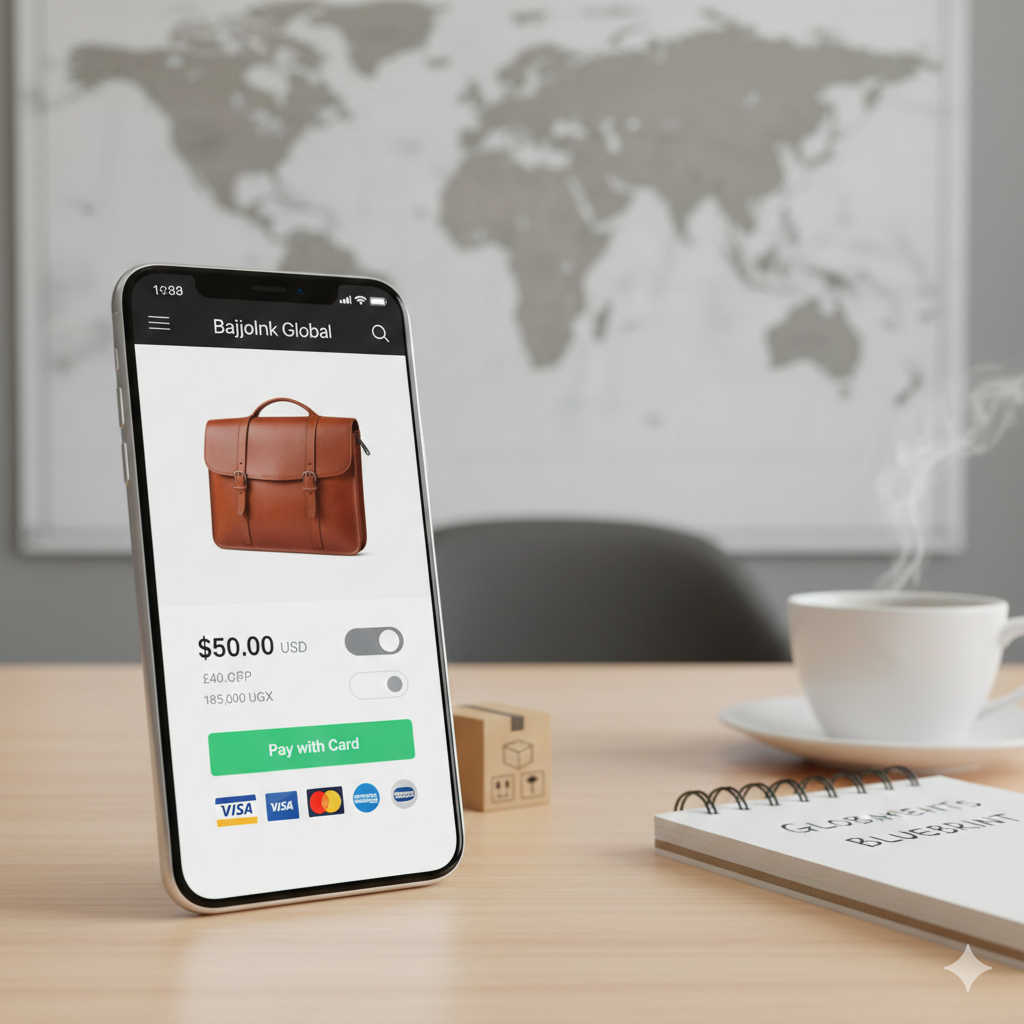
- The Blueprint: Use Payment Links. Services like Flutterwave, Pesapal, or even integrated Shopify/WooCommerce links allow you to send one URL. The customer clicks, enters their number, gets the secret PIN prompt, and boom—the sale is done.
- The Professional Edge: When you send a professional link instead of a personal phone number, your "Trust Score" triples.
3. The "Status" Engine: Selling Without Begging
Your WhatsApp Status is not a personal diary; it is your most valuable billboard. Most sellers make the mistake of posting 50 items at once (the "dotted line" of doom).
- The Strategy: Use the Problem-Solution-Proof formula:
- Slide 1 (Problem): "Tired of your phone battery dying by midday?"
- Slide 2 (Solution): Show your 20,000mAh Powerbank in action.
- Slide 3 (Proof): A screenshot of a happy customer saying, "This saved me during the power outage!"
- Slide 4 (Call to Action): "Only 3 left. Tap the link in bio to order."
The Bottom Line
WhatsApp is the bridge between a stranger and a customer. By automating your first response, professionalizing your payment process, and using your Status strategically, you stop "chatting" and start "selling."
The 2026 Digital Empire isn't built on likes; it’s built on completed transactions.